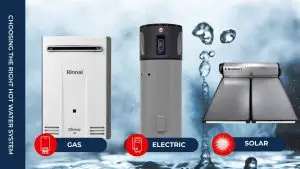
You’ve got shampoo in your hair, the spray turns icy, and your morning is ruined by the sudden realisation of having no hot water. As seasoned professionals in the plumbing industry, we know that most homeowners treat their hot water unit like a mysterious black box until this exact moment.
Think of this remarkably simple appliance as a giant, insulated tea kettle for your home. Industry data and our years of hands-on experience reveal that distinguishing between a totally dead tank and merely reduced heat capacity quickly dictates your next steps.
Taking just 60 seconds for a visual safety check often uncovers a basic external power issue rather than a catastrophic internal failure. By troubleshooting water heater basics yourself without a single tool, you can routinely save on unnecessary call-out fees. However, when things get complex, relying on professional hot water systems experts ensures your home remains safe and functional.
Why Your Gas Water Heater’s Pilot Light Is Like a Relay Runner
If you have a gas unit, you can skip the general electric repair confusion and focus directly on the flame. The pilot light operates like a relay runner, holding a tiny fire ready to pass to the main burner whenever your shower demands heat.
This system’s real hero is the thermocouple—a small sensor acting as a safety gatekeeper. When the pilot dies, this sensor cools down and tells the gas control valve to shut tight. Never ignore a rotten-egg smell of gas near water heater tanks; if detected, evacuate immediately and call a professional for gas fitting and repair. Otherwise, before jumping into a complex thermocouple replacement guide, try relighting it yourself.
Follow these four standard safety steps using your control dial:
- Turn the valve to “Off” and wait five minutes for lingering fumes to clear.
- Rotate the dial to “Pilot” and press down firmly to open the gas flow.
- Click the ignition button to spark the flame.
- Hold the dial down for one minute to warm the sensor, then turn to “On.”
Hearing a solid “click” confirms the valve opened correctly. For comprehensive safety standards regarding gas appliances, we always recommend following the guidelines set out by the Master Plumbers’ Association of Queensland.
The ‘Pop’ That Saves Your Home: Resetting a Tripped Electric Breaker
When an electric tank draws too much energy, a circuit overload cuts the power like a safety switch. Watch for these 3 signs that your electric heater has lost power:
- Your shower water goes completely icy without warning, leaving you with absolutely no hot water.
- The main electrical breaker rests in the middle, in the tripped position.
- The tank emits absolutely no faint humming sound.
Beyond that main panel, an internal high-limit reset switch hides behind the tank’s upper metal door. If your electric water heater circuit breaker keeps tripping, pressing this red safety button is exactly how to reset your system for a fast, zero-cost fix.
Restoring these switches usually brings the heat back quickly. However, persistently lukewarm water points to signs of a failing heating element struggling to pull power, rather than a simple trip. If the power supply is stable but the tank sounds like a boiling kettle, sediment build-up could be the culprit.
Is Your Tank ‘Popping’? How Sediment and Thermostats Steal Your Heat
Do you hear a sound like popcorn popping inside your tank? Since household water contains dissolved minerals, these particles eventually settle at the bottom like heavy sand, creating a solid layer of rock between the heating mechanism and your fresh water.
Trapped moisture boiling under this crust causes those strange noises. Because this mineral barrier acts as unwanted insulation, the tank struggles to push heat through, leaving you with lukewarm water despite a working power supply.
Before assuming the entire unit is broken, check the front dial. Adjusting water heater temperature settings to the sweet spot of 50 degrees Celsius at the tap (in line with Australian Government energy guidelines) provides safe, comfortable heat while preventing your system from overworking and baking those loose minerals into a harder shell.
If the dial is correct but the rumbling persists, basic maintenance is required. A yearly routine of hot water system servicing and flushing sediment prolongs its lifespan and restores lost heat. A completely clean and silent unit facing temperature drop points to internal component wear.
Why Is My Hot Water Only Lukewarm? The Broken Dip Tube Mystery
A steaming shower that turns freezing after five minutes is incredibly frustrating. This specific problem usually means a hidden plastic pipe called a dip tube has snapped. Because heat naturally rises inside your tank, this tube acts like a long straw, routing incoming cold water to the very bottom to be warmed. When broken, cold water dumps directly at the top, instantly leaving you asking: why do I have no hot water after just a few minutes?
Electric tanks rely on two metal coils to warm that water. The lower element is your primary workhorse, handling 90% of the daily heating, while the upper element only kicks in as a backup during high demand.
Identify the invisible culprit simply by observing your tap:
- Quick temperature drops: Points toward replacing a broken dip tube.
- Constantly tepid showers: Classic signs of a failing heating element.
It is crucial to know your safety limits before attempting DIY fixes. As dedicated local plumbers, we always prioritise your safety over a quick fix.
When to Put Down the Wrench: Gas Leaks, Major Puddles, and Tank Life
You know utility companies add a “rotten egg” scent to natural gas as a built-in warning system. If you detect that distinct smell of gas near water heater lines, stop your DIY efforts immediately. This is the exact moment to execute emergency shut-off protocols by twisting the gas valve sideways, evacuating the house, and calling an emergency plumber.
Puddles on the floor demand a quick assessment to determine if your appliance is fundamentally broken. While a dripping top valve is a simple fix, finding your water heater leaking from the bottom seams almost always indicates severe internal tank corrosion. Manufacturers install a sacrificial anode rod to safely absorb this rust, but once that hidden metal stick dissolves, water quickly eats through the steel walls and permanently ruins the machine.
Holding onto a severely rusted unit is incredibly risky since the average lifespan of water heater setups is just eight to twelve years. Trying to patch an outdated system simply isn’t worth a flooded basement and massive water damage. Knowing these absolute safety limits protects your property.
From Cold Showers to Comfort: Your Step-by-Step Recovery Plan
Instead of panicking over having no hot water, you now have a 5-minute diagnostic routine to safely troubleshoot the problem. Before paying a high emergency plumbing repair cost for a simple flipped breaker, try this plan:
- Reset: Check your electrical panel for tripped safety switches.
- Relight: Verify your gas pilot light is actively burning.
- Reveal (to a pro): Tell a qualified plumber exactly what you observe if the basics fail.
Understanding these core mechanisms demystifies your home’s hot water system. By following this safety-first approach, you can confidently secure reliable showers and speak a plumber’s language when trouble strikes. When you need quality workmanship and dependable solutions, our team is always ready to restore your comfort.