You are brushing your teeth when the water stops swirling, leaving a frustrating pool of soapy sludge. Treat your home’s plumbing like human arteries, where harsh chemical quick fixes often cause severe internal trauma. As seasoned experts in the plumbing industry, we know that rushing to pour corrosive liquids down your sink is a recipe for disaster. Professionalism and quality workmanship start with understanding the right approach to maintaining your pipes.
According to plumbing industry data, the dangers of using caustic cleaners include aggressive corrosion that literally eats through older metal pipes. Before risking an expensive leak or calling for an emergency callout, simply look at your P-trap—that U-shaped pipe under the sink designed to block foul sewer gases from entering your house.
In practice, the Golden Rule of DIY home repair is to never use brute force when learning how to unblock a drain, as aggression easily bursts fragile pipe seals. Following a methodical, patient approach saves money and stress without risking further damage. Reliability in plumbing means doing the job right the first time.
The Art of the Plunge: Mastering the ‘Tug-of-War’ to Dislodge Blockages Without the Splash
Finding the best tools for DIY drain clearing usually begins with a plunger. Yet, pushing down aggressively often compacts the debris deeper. The real secret relies on suction physics. A plunger works like a tug-of-war; while pushing forces air down, the upward pull is what actually breaks the blockage apart.
Creating a vacuum-tight grip is essential to capture that pulling power. Secure your seal by following these four steps:
- Wipe the sink basin completely dry.
- Smear petroleum jelly around the plunger’s rim.
- Add just enough water to cover the cup.
- Press gently to expel trapped air.
Once secured, you will easily discover how to use a plunger correctly without splashing. Keep the water level low to prevent messy back-splash, then vigorously pump. Focus your energy heavily on the upward yank to rock the blockage back and forth until it crumbles.
Sometimes, even a perfect technique cannot unblock a drain if the debris is severely hardened. Before attempting to melt the obstruction, it is crucial to use temperatures and liquids that are actually safe for your plumbing infrastructure.
Safe Water Temperatures and Natural Alternatives: Why Boiling Water Isn’t for Every Pipe
Reaching for a kettle of boiling water is a common next step, but extreme heat causes thermal expansion—rapid swelling that damages plumbing. Determining the safe water temperature for flushing plastic pipes requires checking under your sink first:
- Metal Pipes: Safely handle boiling water to melt stubborn kitchen grease.
- PVC Pipes: Limit heat to 60°C (140°F) (standard hot tap water) to prevent melting or warping the joints.
For a safer boost, natural drain cleaner alternatives for homeowners offer a surprisingly effective solution. Pouring bicarbonate of soda followed by white vinegar releases carbon dioxide (CO2). This bubbling reaction creates mechanical agitation, acting like tiny scrubbing brushes against the pipe walls. This process maximises the effectiveness of bicarbonate of soda and vinegar against soft grime, even if it cannot melt hard solids.
Fizzy liquids easily soften slippery grease, but they cannot dissolve wads of bathroom hair. When hot water and natural bubbles fail, a physical object is likely trapped below. To remove it safely, the plumbing must be physically opened to access the P-trap.
Cleaning the P-Trap Step-by-Step: Recovering Jewellery and Clearing Solid Blockages
Hearing a valuable ring clink down the plughole induces immediate panic. Fortunately, recovering dropped jewellery from a sink drain or extracting stubborn hair relies on one accessible plumbing feature: the P-trap. This U-shaped pipe under your sink acts as your home’s ultimate catch-all security checkpoint.
Taking it apart is straightforward, provided you place a towel and bowl underneath first. Follow this process for cleaning a P-trap step by step:
- Loosen the slip nuts: Turn the nuts at both ends of the U-bend counterclockwise by hand.
- Empty the trap: Dump the trapped water, sludge, and lost items into your bowl.
- Check the slip-joint washers: Ensure these crucial rubber sealing rings aren’t cracked.
- Reattach carefully: Hand-tighten the nuts evenly. Stop if you feel harsh resistance to avoid cross-threading—forcing the threads crookedly, which ruins the pipe.
After reassembly, verify your work using the Bucket Test to prove you understand how to unblock a drain securely. Place a completely dry bucket beneath the newly attached U-bend and run the tap on full blast for one minute; if the plastic remains dry, your seal is perfect. If leaks persist or the blockage won’t budge, it may be time to consult experts in blocked drains.
Sometimes, you clear the trap only to discover the U-bend was already completely empty. When the true blockage sits deeper inside the wall, out of reach, a manual hand auger is necessary to clear the pipe.
How to Snake a Drain Without Scratching Porcelain: Using a Manual Hand Auger Safely
An empty P-trap means the blockage lives deeper, requiring a plumbing snake. Learning how to snake a drain without scratching porcelain starts with a simple rag. Wrap a cloth around the drain opening to prevent the metal coil from gouging your sink’s delicate finish. Our commitment to customer satisfaction means we always treat our clients’ homes with the utmost care, and we encourage you to do the same.
Feed the wire slowly into the pipe. Mastering how to unblock a drain involves tactile feedback: a spongy bounce means you found the blockage, while a rigid stop indicates a pipe corner. Practice using a manual hand auger safely by gently rotating the handle to hook the debris, avoiding aggressive ramming.
If extending the entire cable yields no results or the tension feels totally immovable, stop immediately. When standard tools fail to clear the blockage, it indicates a potentially serious issue with the main sewer line, requiring professional plumbing services.
Know Your Limits: 3 Signs of a Main Sewer Line Blockage That Require a Professional
Some blockages sit deep where all your pipes connect. Knowing when to call a plumber for a stubborn blockage prevents disastrous overflows. Watch for these signs of a main sewer line blockage:
- Baths fill when flushing toilets
- Fixtures gurgling simultaneously
- Indoor sewage odours
Spotting these red flags means halting DIY efforts immediately. Adding water to a blocked central pipe only forces raw waste up through your lowest drains. In these high-stakes situations, you need the punctuality and technical expertise of an emergency plumber on the Gold Coast to resolve the problem swiftly.
After professional repairs, protect your plumbing by using enzymatic drain cleaners. Enzyme liquids safely digest biological waste without melting pipes, establishing a solid foundation for preventative maintenance.
The 10-Minute Maintenance Habit: Preventing Kitchen Sink Blockages From Grease and Hair
You no longer need harsh chemicals when unblocking a shower drain full of hair. By installing simple hair-catchers and maintaining a chemical-free plumbing philosophy, you are actively protecting your home’s vulnerable pipes from unnecessary wear and tear. A true professional plumber values long-term solutions over quick patches.
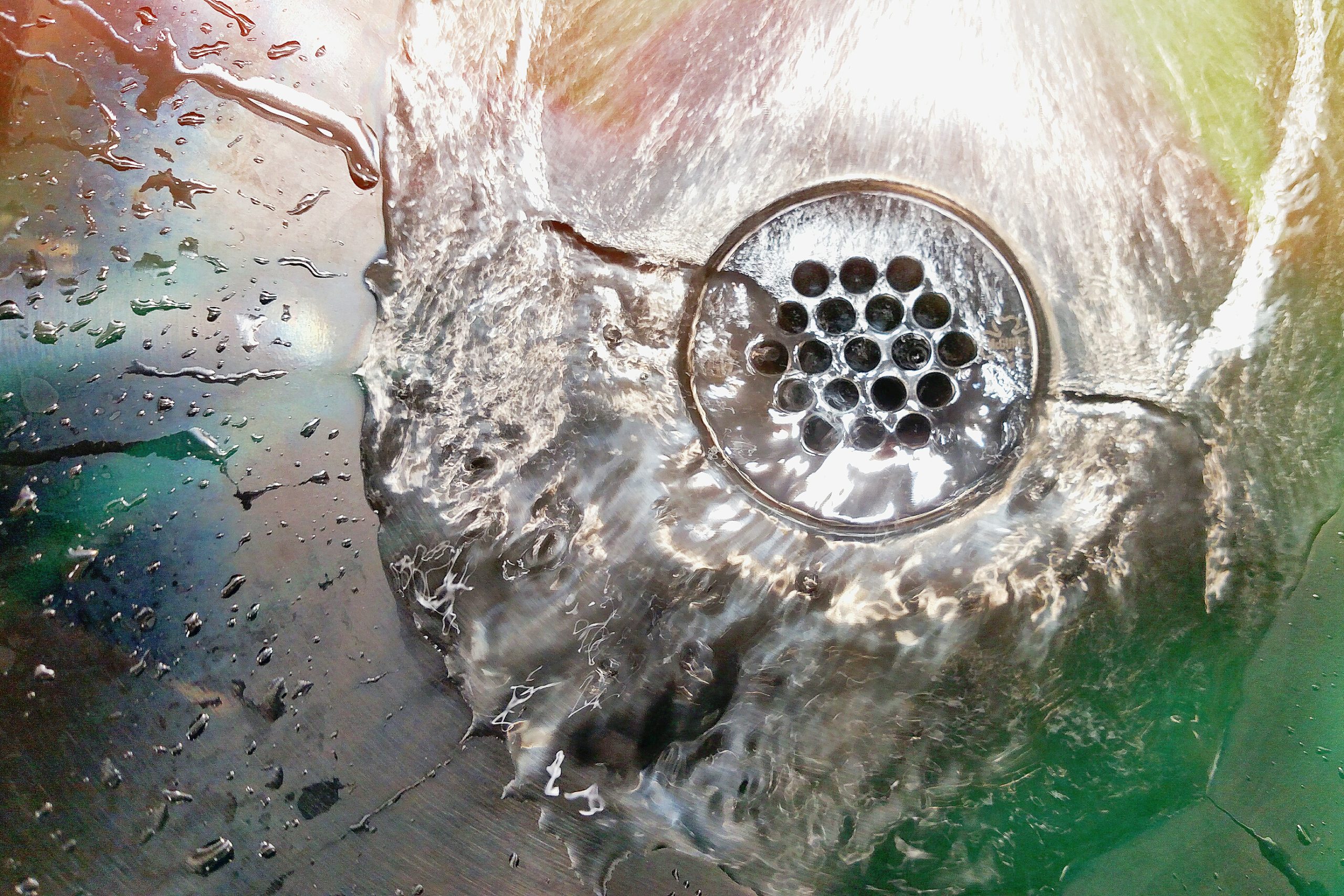
Make preventing kitchen sink blockages from grease buildup effortless with a routine weekly hot water flush to naturally melt hidden residue. Each time you run the tap, watch for that satisfying whirlpool effect—proof of a clear, well-maintained drain. If you ever find yourself out of your depth, contact us for reliable, expert assistance tailored to your specific plumbing needs.