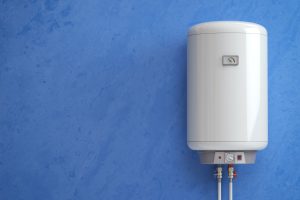
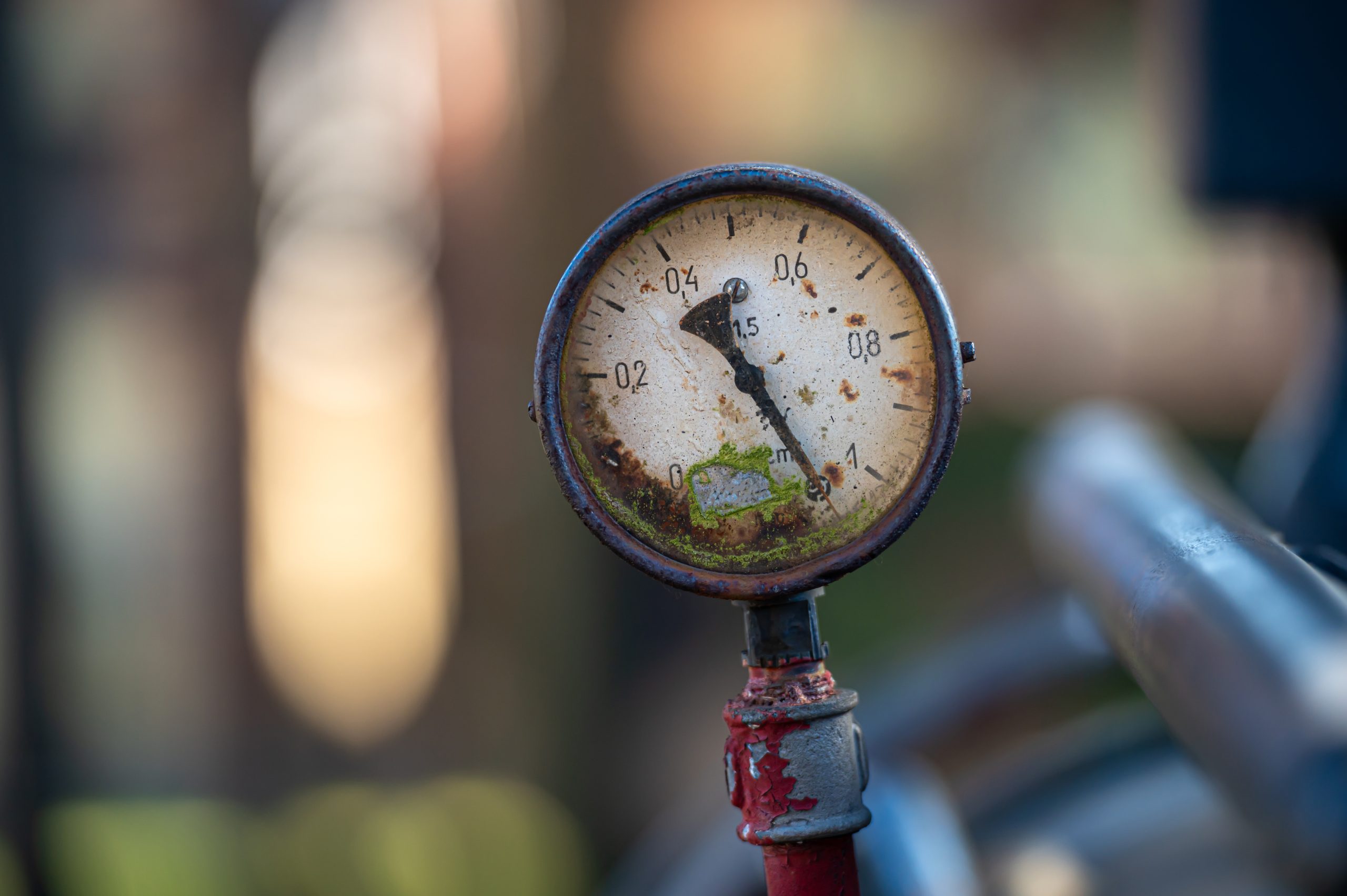
You’re walking through the kitchen and catch that unmistakable whiff near the stovetop or water heater. People often panic and ask, why does my house smell like rotten eggs? When you smell gas in house, what to do next determines the safety of everyone inside. According to energy regulators, natural gas is completely odourless. That distinctive stink comes from the mercaptan odorant added to the Australian gas supply, a chemical warning system designed to alert you to leaks before they become catastrophic.
As seasoned plumbing experts, we cannot stress enough that persistent gas odours instantly elevate a minor nuisance to a life-threatening emergency. Memorising immediate emergency protocols ensures you prioritise safety over amateur investigation. Hunting for a broken pipe yourself is incredibly dangerous. Instead, safety experts recommend a strict 30-second rule for immediate evacuation protocols: drop your phone, leave the property, and get your family out to fresh air within half a minute.
The ‘No-Go’ Checklist: 5 Actions That Could Trigger an Immediate Explosion
Smelling that unmistakable rotten egg odour means it is time to act, but your natural instincts might actually put you in danger. Opening doors and windows to vent the house is a smart move, provided you do it manually without turning on exhaust fans or rangehoods. The invisible hazards of using electrical switches during gas leak situations are severe; even a tiny, unseen spark behind a wall plate can trigger a disaster if gas has built up inside near your gas appliances.
Memorise this emergency gas leak safety checklist of everyday items you must completely avoid touching on your way out the door:
- Light switches (do not flick them on or off)
- Home appliances (including automated sensors and exhaust fans)
- Mobile phones (wait until you are outside to make any calls)
- Landline telephones
- Automatic garage door openers
After clearing the house, secure a safe evacuation distance during gas emergency events by getting at least 20 to 30 metres away from the property. Standing safely across the street keeps your family well out of the danger zone while you call Triple Zero or your local emergency plumber. If it is safely accessible on your way outside, your next priority is turning off your gas mains valve or LPG bottle.
How to Locate and Isolate: Turning Off Your Gas Mains Valve or LPG Bottle
Finding your gas supply quickly is your best defence once your senses or a formal gas leak detection system alert you to danger. For natural gas connections, the main meter is usually housed in a metal box on the side of your home or near the front boundary. If your property relies on bottled gas, look for the tall cylinders positioned against an exterior wall.
The physical difference between LPG and natural gas leaks—where mains gas rises rapidly while LPG pools heavily near the ground—means you must approach the source carefully to operate the isolation valve. Here is exactly how to turn off gas mains valve setups compared to bottled systems:
- Natural Gas Meters: Locate the yellow or red handle on the pipe. Turn it 90 degrees so it sits horizontally across the pipe; this perpendicular position means the gas flow is completely shut off.
- LPG Cylinders: Grip the round handwheel on the top of the bottle and turn it firmly clockwise until it feels tight, just like a standard garden tap.
Securing this valve cuts off the fuel source, instantly creating a stabilised environment for your family. With the immediate physical danger contained, your next crucial step is contacting the correct authorities to repair the fault.
Pipes vs. Paper: Knowing Exactly Who to Call for an Australian Gas Emergency
Once your valve is off, dialling the wrong number wastes precious time. Remember the pipes versus paper rule: your gas retailer sends the bill, but your gas distributor owns the pipes and fixes network leaks. Never call your billing department during a crisis. If there is an active fire or an immediate threat to life, call Triple Zero instantly. For all other situations where you need the mains safely repaired, you must contact your network provider directly or rely on an experienced after-hours plumber if the leak is on your property’s side of the meter.
Knowing exactly who to call for a gas emergency in Australia depends entirely on your location. Sudden ruptures demand immediate reporting using state-based gas distributor emergency contacts. For instance, you can refer to Australian Gas Networks for widespread faults, but keep these local numbers handy:
- NSW & ACT: Jemena (131 909) or Evoenergy (13 19 09)
- VIC: AusNet, Multinet, or AGIG (check your last bill for the 24/7 fault number)
- QLD & SA: Australian Gas Networks (1800 898 220)
- WA: ATCO Gas Australia (13 13 52)
Beyond the Smell: Identifying Slow Leaks and Physical Symptoms of Exposure
Sometimes, your nose misses the danger. Dead houseplants or dying lawns are common signs of a slow gas leak behind walls, but your body often signals trouble first. According to Energy Safe guidelines, if you experience these symptoms of natural gas exposure—especially if they fade when you step outside—act immediately:
- Unexplained headaches or severe fatigue
- Dizziness and light-headedness
- Nausea or shortness of breath
For outdoor connections, like an LPG bottle on your balcony, you can safely verify issues yourself. Following basic soapy water leak test instructions, simply mix dishwashing liquid with water and sponge it over the external valve joints. If growing bubbles appear, you have an active leak—keep the cylinder turned off and never attempt DIY repairs to tighten the fittings.
Installing safety sensors provides crucial backup, provided you understand the difference between a carbon monoxide alarm and a flammable gas detector. The first detects deadly, odourless exhaust from faulty indoor heaters, while the second senses unburnt raw gas from broken pipes. Regardless of which alarm triggers, your primary job is to evacuate the premises and wait for professional clearance.
Returning Home Safely: Why Only a Licensed Gas Fitter Can Clear Your Property
You no longer need to panic when that rotten egg scent hits because you now know exactly what steps to take. However, isolating the leak is just the beginning. Under strict Australian Standards (AS/NZS 5601), you cannot legally or safely repair gas plumbing yourself. Your distributor will not restore supply until a professional clears the system.Engaging a qualified licensed gas fitter for inspection and repairs in Australia is non-negotiable for validating your home insurance policy and ensuring your family’s safety. Our team prides itself on reliability, punctuality, and quality workmanship when resolving these critical emergencies. Following repairs, the technician will issue a mandatory Certificate of Compliance and explain how to safely clear any lingering gas smell from the house using cross-ventilation. Professional verification gives you absolute confidence that your property is secure, perfectly maintained, and ready for your normal daily routines to safely resume.