The minimum housing standards QLD landlords and property managers have to meet are not new any more, and the grace period is long gone. They applied to new tenancies from 1 September 2023 and to every remaining tenancy in Queensland from 1 September 2024. There is no longer a category of rental property they do not cover.
Read the nine standards closely and something becomes obvious quickly. Three of them are explicitly plumbing. A fourth depends on a working cooktop, which on a gas property is licensed gas work. Two more, the damp and mould standard and the “good repair” standard, fail for plumbing reasons more often than for anything else. For a property manager, compliance is mostly a plumbing problem wearing a housing label.
Here is what the standards require at each fixture, the checks worth running before a tenancy starts, and what happens when a property does not measure up.
What the Standards Say About Plumbing
The nine standards sit in Schedule 6 of the Residential Tenancies and Rooming Accommodation Regulation 2025 and are published in plain English by the Residential Tenancies Authority. Worth checking the year on anything you read about this, because the 2009 Regulation people still quote has been replaced. Three of the nine carry the plumbing obligations, and the wording matters more than a summary of it does.
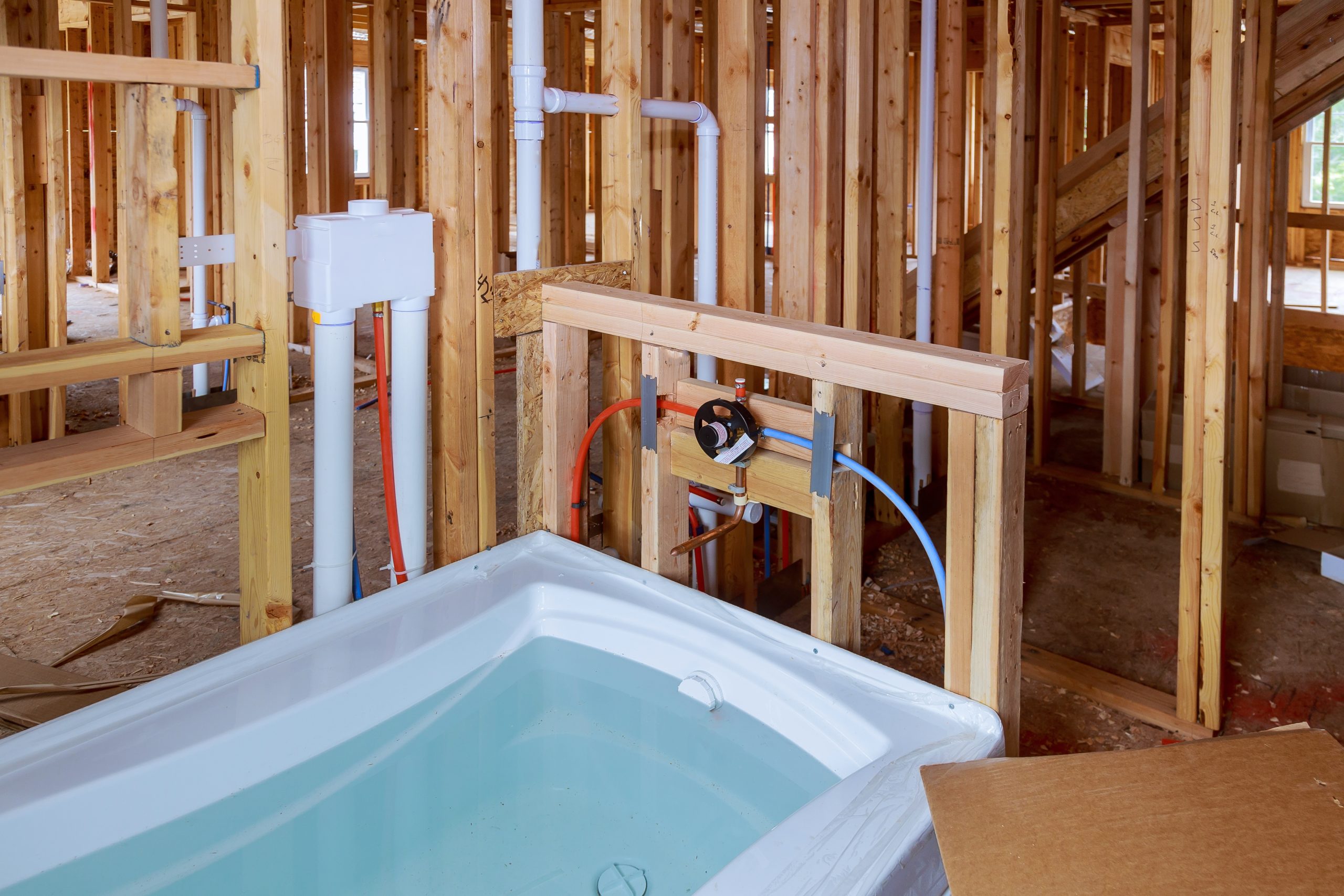
- Plumbing and water supply. The premises must have adequate plumbing and drainage for the number of people occupying the premises, and be connected to a water supply service or other infrastructure that supplies hot and cold water suitable for drinking.
- Bathrooms and toilets. The premises must provide privacy in bathroom areas and have toilets that are all flushable and refillable, connected to a sewer, septic tank or other waste disposal system.
- Laundry. Where laundry facilities are provided, they must include the necessary fixtures for a functional laundry, such as tap fixtures and adequate plumbing.
Two phrases in there do the heavy lifting. “Adequate for the number of people occupying the premises” means a drain that copes with a couple does not automatically pass with a family of five in the property. And on toilets, the Regulation is blunter than the summary: each toilet must function as designed, including flushing and refilling. A second toilet in the ensuite that runs on, fills slowly or has a cracked cistern is a failed standard, not a minor defect on the exit report.
The responsibility sits with the property manager or owner, and it is continuous. The standards must be met at the start of the tenancy and maintained throughout it.
The Plumbing Checklist Every Rental Must Pass
Work through this before a tenancy starts and again at routine inspections. Every item maps to a specific standard.
1. Hot and cold water at every outlet
Run every tap in the property, hot and cold, including the laundry trough, the outdoor taps servicing the dwelling and both bathrooms if there are two. The standard is hot and cold water suitable for drinking, and an ensuite that only ever runs lukewarm is not compliant. Cold water arriving warm in summer is worth flagging too, because it usually points at a hot water line touching a cold line in the wall.
2. Hot water delivery temperature
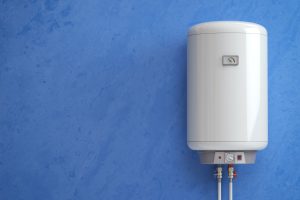
This is the item most inspections miss entirely. In Queensland, heated water delivered to sanitary fixtures used for personal hygiene (showers, baths and basins) must not exceed 50°C in a residential property. Water above that scalds, and a fixture that scalds is a fitting likely to cause injury through normal use, which is its own separate minimum housing standard.
The requirement is triggered when a water heater is replaced, when more than one sanitary fixture is replaced, or when the heated water service is altered or extended. A landlord who swapped a hot water system and skipped the tempering valve has an open compliance gap. Checking or adjusting that valve is licensed plumbing work, not a job for a handyman.
3. Every toilet flushes and refills
Flush each toilet, watch it refill, and listen after it stops. A cistern that keeps trickling has failed to refill properly and is quietly running up the water bill. Check the pan for movement and the base for staining, both of which suggest a failed pan collar rather than a seal issue.
4. Drains that clear under real load
Adequate drainage is judged against occupancy, not against a single sink of water. Fill a basin and release it, run the shower for several minutes, and watch for slow clearing, gurgling from a nearby fixture or a smell from the floor waste. Gurgling in one fixture while another drains means the line is partially blocked or the venting is compromised, and it will surface as an emergency mid-tenancy rather than during your inspection. On older Gold Coast properties with mature trees that is usually root intrusion, which only a CCTV inspection will show. Where a property has a history of repeat call-outs, get eyes in the line before the next tenant moves in rather than treating each blocked drain as a fresh event.
5. No leaks, anywhere
Check under every sink and basin, behind the toilet, around the hot water unit and at the meter. A concealed leak fails the damp and mould standard before anyone sees a spore, and under Queensland’s water charging rules a property must be water efficient before a lessor can pass consumption charges to a tenant. Leaks and non-compliant fixtures both undermine that. With every tap and appliance off, the meter dial should be still. If it moves, water is escaping somewhere on the property and a leak detection job is cheaper than the damage.
6. Water efficiency of fixtures
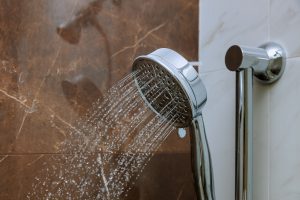
Separate from the housing standards but usually checked in the same visit. Water efficiency is one of the conditions that has to be met before consumption costs can be passed to a tenant, alongside individual metering and the right term in the agreement. Under the RTA water charging rules, internal cold water taps over basins, kitchen sinks and laundry troughs (including single mixer taps) must flow at no more than 9 litres per minute, showerheads at no more than 9 litres per minute, and toilets must be dual flush with a maximum 6.5 litres on full flush, 3.5 litres on half flush, and an average flush volume of no more than 4 litres. A single non-compliant showerhead can cost an owner the ability to recover water charges for the whole tenancy.
7. Laundry fixtures
Where a laundry is provided, the standard requires the fixtures for it to function. Check that both washing machine taps turn and seal, that the trough drains, and that the machine outlet hose has somewhere proper to discharge. Flexi hoses at the trough are worth replacing on age alone, because a burst hose in an unoccupied laundry is one of the most common causes of internal water damage in Australian homes.
8. Damp, mould and the source behind it
The standard requires the property to be free from damp and mould, excluding cases the tenant has caused. In practice, disputes turn on that exclusion. Mould in a bathroom corner with a working exhaust fan is one conversation. Mould tracking up a wall shared with a shower is a failed waterproofing membrane, and that is the owner’s to fix. Treating the mould without finding the water source guarantees a repeat claim, usually mid-tenancy and usually as an emergency.
9. Gas appliances and the cooktop
The standards require a functioning cooktop where a kitchen is provided. On a gas property, servicing or certifying that appliance is licensed gas work, as is anything touching the gas line or a gas hot water unit. A gas leak is a statutory emergency repair, so a property with an ageing gas installation carries a live risk. Have a licensed gas fitter handle it rather than an appliance technician.
What Happens When a Rental Fails
This is where the plumbing items grow teeth, because the consequences escalate quickly and the tenant triggers most of them, not an inspector.
Repairs needed to bring a property up to the minimum housing standards are classified as emergency repairs under the Act. So are several plumbing faults in their own right: a burst water service or serious water service leak, a blocked or broken toilet, a serious roof leak, a gas leak, and the failure or breakdown of an essential service or appliance for hot water, cooking or heating. A hot water system that dies on a Sunday is not a Monday morning job. It is legally an emergency.
From there, the options available run in one direction:
- The tenant arranges the repair. Where the tenant cannot notify the lessor or the nominated repairer, or the repairs are not made within a reasonable time after notice, the tenant may arrange emergency repairs themselves up to the value of four weeks’ rent and seek reimbursement. On a $700-a-week Gold Coast property, that is $2,800 spent by someone else, on a contractor the manager did not choose.
- Notice to Remedy Breach. The tenant issues a Form 11 with a minimum seven-day remedy period, which starts a formal breach record on the tenancy.
- Repair order. The tenant can apply to QCAT for a repair order requiring the work by a set date, with compensation available. Failing to comply with a repair order is an offence carrying a maximum penalty of 50 penalty units.
- Ending the tenancy. Where the property did not comply at the start, the tenant can issue a Notice of Intention to Leave and be gone in seven days.
- Rent reduction. A tenant can seek reduced rent for reduced amenity, negotiated first and escalated to conciliation and the tribunal if it is not resolved.
Every one of those outcomes costs more than the plumbing repair would have. The tenant-arranged repair is the one property managers underestimate most, because it hands both the contractor choice and the invoice to the other side.
Where Gold Coast Rentals Actually Fail
Across the properties we attend for local agencies, four issues account for most compliance problems.
- Hot water delivery temperature. Systems replaced without a tempering valve, or a valve that has drifted out of range and never been rechecked. Invisible on a walkthrough unless someone measures it.
- Second bathrooms. Ensuites and second toilets get flushed once, if at all. Slow refills, weak hot water and running cisterns survive multiple inspections there.
- Drains that only fail under real occupancy. A vacant property drains fine. Four people using it daily is a different test, and the call comes at 9pm.
- Mould treated without finding the leak. The mould is cleaned, the report closed, and the same wall is worse three months later with a tenant who now has a documented complaint history.
None of these are expensive to find. All of them are expensive to discover through a tenant.
Frequently Asked Questions
Do minimum housing standards apply to all rental properties in Queensland?
Yes. The standards applied to new tenancies from 1 September 2023 and to all remaining general tenancies and rooming accommodation from 1 September 2024. There is no exemption for older properties, and the obligation sits with the property manager or owner both at the start of the tenancy and throughout it.
Is a landlord required to provide hot water in Queensland?
Yes. The premises must be connected to a water supply service or other infrastructure that supplies hot and cold water suitable for drinking. A failure or breakdown of an essential service or appliance for hot water, cooking or heating is also listed as an emergency repair in the Act, which means it must be treated urgently rather than scheduled as routine maintenance.
Is a blocked toilet an emergency repair in Queensland?
A blocked or broken toilet is specifically named in the Act as an emergency repair, as is a burst water service or a serious water service leak. Where the property has only one toilet, that leaves no reasonable case for delay. Whether the tenant or the owner ultimately pays depends on the cause, but the repair itself still has to happen urgently.
How hot is a rental hot water system allowed to be?
Heated water delivered to showers, baths and basins in a residential property must not exceed 50°C. Meeting that generally requires a tempering valve or equivalent temperature control device, which is licensed plumbing work to install, adjust or replace. The requirement is triggered when a water heater is replaced, when more than one sanitary fixture is replaced, or when the heated water service is altered or extended.
What can a tenant do if the property does not meet the standards?
Repairs needed to meet the minimum housing standards count as emergency repairs. Where the tenant cannot notify the lessor or nominated repairer, or the work is not done within a reasonable time after notice, they can arrange it themselves up to four weeks’ rent and claim it back. They can also issue a Notice to Remedy Breach, apply to QCAT for a repair order, seek a rent reduction, or end the tenancy within seven days where the property did not comply at the start.
Getting Ahead of It
The difference between a compliant rent roll and an expensive one is usually a single visit. A pre-tenancy plumbing check that measures hot water temperature, tests every toilet and outlet, loads the drains and reads the meter takes under an hour, and closes almost every gap above before a tenant is in a position to escalate it.
Capital Plumbing works with Gold Coast property managers on exactly this: compliance checks before a tenancy, documented reports you can put on file, and a 24/7 line for the faults the Act calls emergencies. Fully licensed (QBCC 116098, QLD PDB 18938), no call-out fee, upfront pricing before we start. See how our plumbing services for property managers work across your rent roll, or get in touch to book a compliance check on a property you already have doubts about.
This article is general information about Queensland tenancy law and is not legal advice. For advice on a specific tenancy, contact the Residential Tenancies Authority.