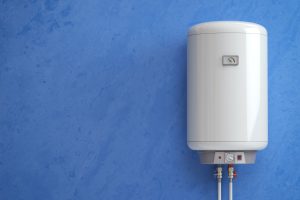

There’s no gentle way to discover your hot water has died. One cold shower on a Gold Coast winter morning and a hot water system replacement jumps straight to the top of your to-do list. The good news is that swapping out an old or failed unit is a straightforward job when a licensed plumber handles it, and knowing what to expect takes most of the stress out of the process.
This guide walks you through the entire hot water system replacement from start to finish: how to tell when it’s time to replace rather than repair, how to choose the right system for your household, and exactly what happens on the day your new unit goes in. We’ll also cover how long it takes, the costs to factor in, and the Queensland compliance rules every installation has to meet. By the end, you’ll know precisely what you’re paying for and why.
Signs you need a hot water system replacement
Most systems give you plenty of warning before they fail completely. Recognising the signals early means you can plan a replacement during business hours instead of scrambling after a total breakdown. Watch for these common red flags:
- Age: Electric storage units typically last 8 to 12 years, while gas storage, solar, and heat pump systems often reach 10 to 15 years with regular servicing. Once yours is in that window, replacement usually beats another repair bill.
- Rusty or discoloured water: Brown or metallic hot water points to corrosion inside the tank, which cannot be fixed.
- A leaking tank: Water pooling around the base almost always means the tank itself has failed. This is a full replacement job, not a repair.
- Running out of hot water quickly: If the tank empties faster than it used to, sediment build-up or a worn element is reducing its capacity.
- Temperature swings: Water that lurches between scalding and cold suggests the thermostat or heating element is on its way out.
- Rumbling or banging noises: A sediment layer at the bottom of the tank makes the unit work harder and shortens its life.
- Climbing energy bills: An ageing system loses efficiency, so a creeping power or gas bill can be the unit quietly costing you more each quarter.
Not every fault means the whole system has to go. A newer unit with a single faulty part is often worth fixing, so it’s worth booking hot water repairs for a proper diagnosis before you commit to a new unit. But if the tank is leaking, the system is past a decade old, or you’re calling a plumber out every few months, replacement is the smarter long-term move. And if you’ve been left with no hot water at all, that’s worth a fast call to a 24-hour emergency plumber.
Choosing the right replacement system
A like-for-like swap (replacing your old unit with the same type) is always the simplest and cheapest option. But a replacement is also a good moment to weigh up whether a different system would suit your home better. You have four main choices:
- Electric storage: Cheap to buy and reliable, but generally the most expensive to run unless it’s on an off-peak tariff.
- Gas (storage or continuous flow): Continuous flow units heat water only as you use it, which cuts waste. Gas is often cheaper to run than electric where your home is already connected to mains gas.
- Solar: Higher upfront cost, but most of your water is heated by the sun. These systems need a gas or electric booster for cloudy stretches.
- Heat pump: These pull heat from the surrounding air and, according to energy.gov.au, use only around 30% of the energy of a conventional electric system. They cost more to buy but are cheap to run.
Solar and heat pump systems can also qualify for small-scale technology certificates (STCs) through the Clean Energy Regulator, which can knock a solid chunk off the purchase price. Sizing matters just as much as the type: too small and you’ll run out mid-shower, too large and you’ll pay to heat water you never use. A rough rule is small-to-medium capacity for one or two people and larger or continuous flow for households of five or more. For a detailed breakdown, our guide to the best hot water system for a family of four covers sizing and running costs. If you’re not sure, our plumbers will recommend the right size and type for your household during the assessment.
The hot water system replacement process: what to expect
Once you’ve chosen a system, the actual replacement follows a clear sequence. Here’s exactly what happens when a Capital Plumbing team member arrives to fit your new unit.
Step 1: On-site assessment and upfront quote
Your plumber first inspects the existing setup: its age, size, type, energy source, location, and how easy it is to access. From there, they’ll confirm whether a like-for-like replacement makes sense or whether an upgrade is worth considering, and give you a clear, fixed price before any work starts. With Capital Plumbing there’s no call-out fee and no surprises, so you know the full cost upfront.
Step 2: Draining and disconnecting the old system
The plumber isolates the water supply and shuts off the power or gas. A licensed electrician or gas fitter disconnects the electrical or gas connection safely. The old tank is then fully drained, which can take a little time on larger units.
Step 3: Removing the old unit and preparing the base
With everything disconnected, the old unit is removed and taken away for responsible disposal. The site is then prepped for the new system. Storage units must sit on a level, stable, impervious base, so your plumber will lay or check a concrete slab or a purpose-made poly base to keep the unit sitting correctly.
Step 4: Installing and connecting your new unit
The new system is positioned and connected: cold and hot water lines, plus the gas or electrical supply. If you’re switching system types (say, electric to gas, or over to solar or a heat pump), this stage takes longer because new gas lines, electrical upgrades, or roof collectors may be needed.
Step 5: Fitting safety valves and meeting compliance
This is the part that keeps your household safe and your installation legal. A tempering valve is fitted to limit the water temperature at the tap to a maximum of 50°C, which prevents scalding. In fact, Business Queensland confirms a temperature control device is mandatory on every new and replacement hot water system in the state. Your plumber also fits the pressure and temperature relief valve and an expansion control valve where required, and runs the discharge lines to a proper drain or downpipe rather than onto the ground.
Step 6: Testing, handover and your compliance certificate
Finally, the whole system is tested for leaks, correct pressure, and proper operation. Your plumber shows you how to run the new unit, hands over the warranty documentation, and provides a certificate of compliance. Under QBCC rules, this work must be registered by a licensed plumber, and that certificate matters well beyond the day of installation: it’s often needed for home insurance and when you sell the property.
How long does a hot water system replacement take?
A straight like-for-like replacement usually takes 2 to 4 hours. If you’re changing to a different system type, expect 4 to 6 hours because of the extra plumbing, gas, or electrical work involved. Tricky access, such as upper-storey installs or tight cupboard spaces, can add time as well. For common storage and continuous flow systems, same-day replacement is often achievable, so you’re not left without hot water for long.
Common mistakes to avoid when replacing your hot water system
- Choosing on upfront price alone. A cheap electric unit can cost far more to run over its lifetime than a heat pump or gas system. Factor in running costs, not just the sticker price.
- Getting the size wrong. An undersized unit leaves you cold mid-shower; an oversized one wastes energy every day. Match the system to your actual household usage.
- Missing available rebates. Skipping STCs or state incentives on solar and heat pump systems means paying more than you need to.
- Using an unlicensed installer. Replacing a hot water system is regulated work in Queensland. A DIY or unlicensed job is illegal, voids your warranty, and can create serious safety hazards.
- Ignoring a failing tempering valve. If the existing valve is missing or non-compliant, it must be rectified before the new system is signed off.
Frequently asked questions
Should I repair or replace my hot water system?
It depends on the age of the unit and the fault. A newer system with a single failed part, such as a thermostat or element, is usually worth repairing. But a leaking tank, a system older than 8 to 10 years, or repeated breakdowns all point towards replacement being the more cost-effective choice. A licensed plumber can advise which makes sense after inspecting your unit.
How long does a hot water system last?
Electric storage systems typically last 8 to 12 years, while gas storage, solar, and heat pump systems often run for 10 to 15 years. Regular servicing and replacing the sacrificial anode on storage tanks can help you get to the upper end of that range.
Can I replace a hot water system myself in Queensland?
No. Hot water system installation is regulated plumbing work in Queensland and must be carried out by a licensed plumber. Solar and heat pump systems require an installer with a specific QBCC endorsement. A compliant installation includes a certificate of compliance, which protects your warranty and your insurance.
How much does a hot water system replacement cost?
The price varies with the type and size of the system and how complex the install is. A like-for-like storage replacement sits at the lower end, while solar and heat pump systems cost more upfront but are cheaper to run and may qualify for rebates. Switching from one energy source to another adds to the cost because of the extra connections involved. Capital Plumbing provides upfront, fixed pricing with no call-out fee, so you’ll know the full figure before we begin.
Can I get hot water back the same day?
Often, yes. For common electric and gas systems, a same-day replacement is usually achievable if you call early. Booking in as soon as you notice a problem gives you the best chance of a quick turnaround.
Book your hot water system replacement with Capital Plumbing
A failed hot water system is one of those jobs best sorted quickly and properly the first time. Our licensed local plumbers handle hot water system replacements right across the Gold Coast, from Tweed Heads through to South Brisbane, with upfront fixed pricing, no call-out fee, and 24/7 availability when you need us in a hurry. We’ll help you choose the right unit, fit it to Queensland standards, and have your hot water running again fast.
Ready to get started? Learn more about our hot water supply and installation service, or get in touch for a quote. You can also call us any time on 1300 785 936. And if you want priority booking and year-round peace of mind, ask about the Capital Plumbing Royalty Club.