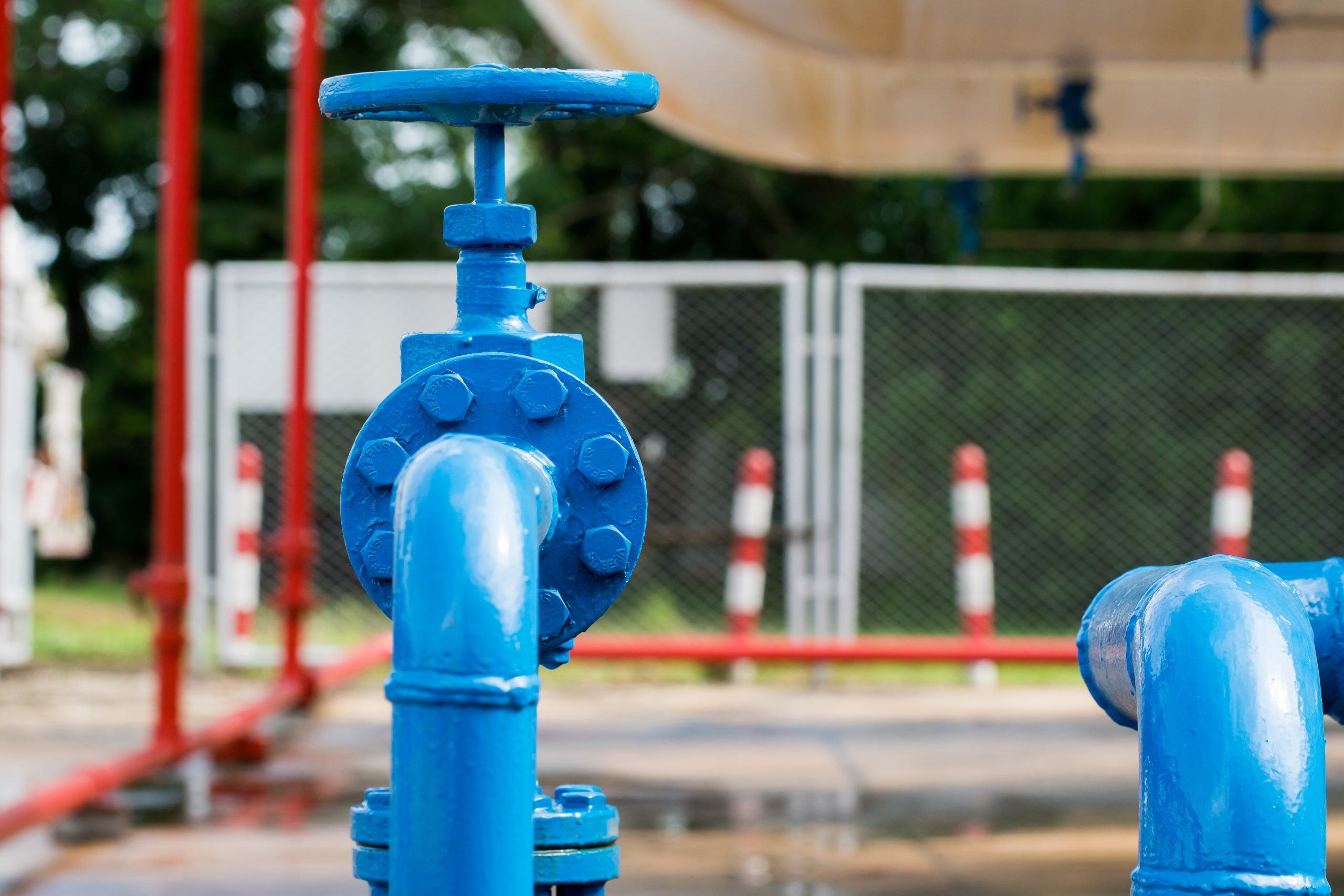
You turn off the kitchen tap, or the washing machine finishes filling, and somewhere inside the wall there is a loud bang. Sometimes it is a single thud. Sometimes the pipes shudder for a few seconds. So, what is water hammer? It is a pressure shock that happens when fast-moving water in your pipes is forced to stop in an instant, and it is one of the most common noise problems in Gold Coast homes.
The noise is the warning, not the problem. Here is what causes it, why Gold Coast mains pressure makes it worse, what the Australian Standard says, and what you can legally check yourself.
What Is Water Hammer?
Water is heavy and does not compress. When it is moving at speed and a valve snaps shut, it slams into the closed valve and sends a pressure wave racing back through the pipework. The bang you hear is that shock wave, plus the pipe itself jumping against a stud, joist or another pipe.
Plumbers also call it hydraulic shock, and the size of the spike is what most people underestimate. A water hammer fact sheet drawn from the Plumbers Handbook published by the International Copper Association Australia reports that a quick-closing lever tap or solenoid valve can produce a shock wave of up to 3,000 kPa. For context, the legal maximum static pressure at a tap inside your home is 500 kPa.
What Causes Water Hammer in Gold Coast Homes?
Quick-closing valves
Washing machines, dishwashers, fridge ice makers and irrigation controllers all use electric solenoid valves that shut instantly. Flicking a mixer tap off does the same. If the bang comes right as an appliance stops filling, that valve is your trigger.
High water pressure
This is the big one on the Gold Coast. The City of Gold Coast aims to deliver at least 220 kPa at each property connection, but says pressure in its network can vary up to around 900 kPa. Homes low on a hill below a reservoir tend to sit at the high end. The higher your pressure, the faster water moves through the pipes and the harder it hits when it stops.
Loose or poorly clipped pipes
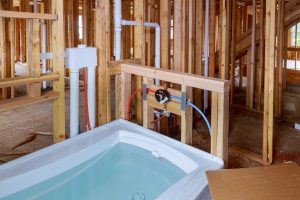
An unsecured pipe turns a small shock into a loud one, because the whole run knocks against the framing. It is common after renovations where pipes were rerouted but never re-clipped.
Failed air chambers or a worn pressure valve
Some older homes have air chambers, short capped pipes that trap air to cushion the shock. Over time they fill with water and stop working. A worn pressure limiting valve can also knock, and a failed one can let full mains pressure into the house unnoticed.
Why Banging Pipes Are More Than Just Noise
Water hammer does damage whether you hear it or not. Every spike loads up joints, tap cartridges, flexi hoses and appliance inlet valves. Over time that shows up as taps that keep dripping, leaking mixers, failed washing machine valves and eventually a pipe or braided hose that lets go.
High pressure can also cost you warranty cover. The Victorian Building Authority’s reminder to plumbers lists voided appliance warranties alongside pipe failure and water hammer as consequences of pressure above 500 kPa.
If the banging has already damaged a joint or section of pipe, fixing the pressure will not reverse it. Our plumbing pipe repairs team can locate and repair the damage at the same visit we sort out the cause.
What the Australian Standard Says About Water Hammer
The pressure inside your home is regulated, and the rules are more specific than most plumbing websites let on.
- The 500 kPa limit (AS/NZS 3500.1, clause 3.3.4): the Australian and New Zealand standard for water services says the static pressure at any outlet within a building, other than a fire service outlet, must not exceed 500 kPa. The note to that clause names damage from water hammer, shorter life for taps and appliances, and excessive noise as the reasons.
- Water hammer arrestors: in its rules for installing backflow prevention devices, AS/NZS 3500.1 states that where water hammer occurs, it should be rectified by fitting a surge protector or water hammer arrestor. The Plumbers Handbook goes further and recommends a hammer suppression device on any service with a quick-closing valve.
- The Queensland history: when the Queensland Development Code’s sustainable buildings part took effect on 1 March 2006, new Queensland houses had to have a pressure limiting device wherever mains pressure could exceed 500 kPa. Today the same 500 kPa limit applies through the Plumbing Code of Australia, which calls up AS/NZS 3500.1.
The practical takeaway: if your home was built before 2006 and the water service has never been upgraded, there is a fair chance nothing is limiting the pressure coming in from the street.
How to Stop Water Hammer
Checks you can do yourself
Queensland is strict about DIY plumbing. The QBCC limits unlicensed work to a short list of jobs such as replacing a tap washer, a jumper valve or a shower head. Everything below stays inside that line.
- Note when it happens. Which tap or appliance, hot or cold, and what time. A pattern makes the cause far quicker to find.
- Close taps gently. If the bang disappears when you turn a lever tap off slowly, the tap is the trigger and your pressure is probably high.
- Reset the air chambers. Turn off the water at the meter (our guide to turning off your water mains shows how), open every tap to drain the lines, close them again, then turn the mains back on slowly. If the banging stops for a few weeks and then returns, the air chambers are the weak link.
- Look for a pressure limiting valve. Check the pipe on your side of the water meter for a bell-shaped brass valve. No valve, especially on a pre-2006 home, points strongly to high pressure.
What a licensed plumber will do
Fitting a pressure limiting valve, installing arrestors and re-clipping pipes inside walls are all regulated plumbing work in Queensland. A proper water hammer visit usually covers:
- Pressure test: a gauge on the tap closest to the meter gives a static reading, so you know exactly where you sit against the 500 kPa limit.
- Pressure limiting valve: if the reading is over 500 kPa, a valve on your side of the meter brings the whole house down to a safe level. This alone fixes most water hammer, and it is the step the City of Gold Coast recommends if your pressure is high. If you already have a valve and still get banging, it may be failing.
- Water hammer arrestors: sealed arrestors fitted close to the washing machine, dishwasher or other quick-closing valve absorb the spike at its source, on both hot and cold lines where needed.
- Pipe clipping: loose runs are secured so they cannot knock against the framing.
Our water pressure services cover testing, pressure limiting valve installation and adjustment across the Gold Coast.
Frequently Asked Questions About Water Hammer
Is water hammer dangerous?
The noise itself is harmless, but the pressure spikes behind it are not. Repeated shocks weaken joints, fittings, tap cartridges and flexi hoses, which leads to leaks and, in bad cases, a burst pipe or hose. If the banging is loud, frequent or you can see the pipes move, get your pressure tested.
Will water hammer go away on its own?
Rarely. It keeps happening until the cause is fixed. Resetting old air chambers can quieten it for a while, but it usually comes back.
Why do my pipes bang when nobody is using water?
Something is still opening and closing a valve. The usual suspects are a toilet cistern finishing its refill, an irrigation controller switching zones, or a dishwasher or washing machine partway through a cycle. In units with shared pipework, a neighbour’s appliance can be the trigger.
Can I install a water hammer arrestor myself in Queensland?
Not if it goes into the pipework. Installing an arrestor or a pressure limiting valve is regulated plumbing work in Queensland, so it has to be done by a QBCC-licensed plumber.
Stop the Banging Before It Becomes a Leak
Water hammer is a symptom. In most Gold Coast homes the cause is pressure above 500 kPa, a quick-closing valve with nothing to absorb the shock, or both.
Capital Plumbing has served the Gold Coast and South Brisbane for over 20 years. We test your pressure, explain what is causing the banging and give you an upfront price before any work starts, with no call-out fee. We are fully licensed (QBCC 116098, QLD PDB 18938) and available 24/7, and Royalty Club members get priority booking plus 7% off plumbing services. Book a pressure check online or call 1300 785 936 and we will get your pipes quiet again.