A leaking tap drips for weeks. A hot water system dies on a Friday night. A toilet won’t stop running. The first question everyone asks is the same one: who pays for the plumbing in a rental in QLD? Get it wrong and it can mean an unexpected bill for the tenant, a delayed repair for the property, or a dispute that ends up at the Queensland Civil and Administrative Tribunal (QCAT).
Queensland has clear rules. The Residential Tenancies and Rooming Accommodation Act 2008 sets out what counts as an emergency repair, what’s a routine repair, and how water charges can (and can’t) be passed on to tenants. This guide breaks it down so tenants, owners, and property managers know exactly where they stand the next time something goes wrong with the plumbing.
The Short Answer: Who Pays for What
In a Queensland rental, the owner generally pays to repair and maintain the plumbing. Tenants are responsible for reporting issues quickly, paying for damage they’ve caused, and (in most cases) paying for the water they use. The detail sits in three categories: emergency repairs, routine repairs, and water charging.
- Emergency plumbing repairs: paid for by the owner, arranged urgently.
- Routine plumbing repairs: paid for by the owner, scheduled in a reasonable timeframe.
- Tenant-caused damage: paid for by the tenant.
- Water consumption: paid for by the tenant if certain conditions are met.
- Fixed water access and sewerage charges: paid for by the owner.
Emergency Plumbing Repairs in a QLD Rental
Queensland tenancy law defines emergency repairs specifically. According to the Residential Tenancies Authority (RTA), emergency repairs include:
- A burst water service or a serious water leak
- A blocked or broken toilet
- A serious roof leak
- A gas leak
- A dangerous electrical fault
- Flooding or serious flood damage
- A failure or breakdown of the gas, electricity or water supply
- A failure or breakdown of an essential service or appliance for hot water, cooking or heating
- A fault that makes the premises unsafe or insecure, or likely to injure someone
If any of these happen, the owner pays for the repair. The cost does not come out of the tenant’s pocket, and the work should be carried out by a licensed plumber rather than patched together as a DIY job.
What a Tenant Should Do When a Plumbing Emergency Happens
The tenancy agreement must include the name and phone number of a nominated repairer or property manager as the first point of contact. Ring that number, day or night. Verbal contact is enough under the Act, but it’s smart to follow up with a quick text or email to create a written record.
If the tenant can’t reach the nominated contact within a reasonable time, either party can arrange the repair, up to a value of four weeks’ rent. The tenant must keep all receipts and request reimbursement in writing. The owner has at least seven days to pay the tenant back. If they don’t, the tenant can apply directly to QCAT.
For Gold Coast renters, having a 24/7 plumber on speed dial is the easiest way to handle this. Capital Plumbing’s 24-hour emergency plumbing service is set up for exactly this kind of situation, with no call-out fee and upfront pricing before any work starts.
Routine Plumbing Repairs: Still the Owner’s Responsibility
Anything that isn’t on the emergency list is a routine repair: a slow-draining shower, a dripping tap, a leaking flexi hose under the sink that hasn’t burst yet, or a hot water system that’s still working but making strange noises.
Routine repairs are still the owner’s responsibility. The difference is the timeframe. There’s no statutory deadline like the emergency rules, but the work needs to happen within a reasonable time after the tenant reports it in writing. If a property manager is dragging their feet, an RTA Form 11 Notice to remedy breach is the next escalation, but most issues resolve before that.
Tenants should put routine plumbing requests in writing, by email or through the agent’s portal, so there’s a paper trail of when the issue was raised. Photos help.
When the Tenant Pays: Damage, Misuse, and Negligence
There’s one big exception to the “owner pays” rule. If the plumbing problem was caused by the tenant or a guest, the tenant pays. Common examples:
- A blocked drain caused by wipes, sanitary products, or food scraps flushed down the toilet or sink
- A cracked basin or shattered toilet seat from misuse
- A burst pipe from something hung off it or hit with a vehicle
- Damage from a tenant’s own appliance, like a poorly installed washing machine hose
For tenants, the safest position is to report problems early. A small leak reported and fixed in week one is the owner’s bill. The same leak ignored for three months that rots a vanity and warps the floorboards starts to look a lot more like negligence, and that conversation gets harder.
For owners and property managers, evidence is what matters in any dispute. Entry condition reports, exit condition reports, and dated photos make the difference between a clean bond claim and a QCAT hearing. If you’re not sure whether a blocked drain is from tree roots or a tenant flushing the wrong things, a licensed plumber with a camera will usually settle it.
Water Bills: Who Actually Pays in a QLD Rental?
Water is where most of the day-to-day confusion happens. The rules sit in the RTA’s water charging guidelines and split into two parts: consumption and fixed charges.
Water Consumption (Usage)
Tenants can be charged for water usage only if all four conditions are met:
- The property is individually metered (or water is delivered by vehicle)
- The property is water efficient
- The tenancy agreement specifically states the tenant pays for water
- The owner provides a copy of the water bill within four weeks of receiving it
If even one is missing, the owner pays. A tenant has four weeks to pay the bill once they receive it.
Fixed Charges and Sewerage
The owner always pays the fixed water access charge, the sewerage access charge, and the sewerage usage charge. None can be passed on to a tenant. Only bulk water and volumetric consumption charges can be billed to the tenant if the property qualifies.
What Counts as a “Water Efficient” Property?
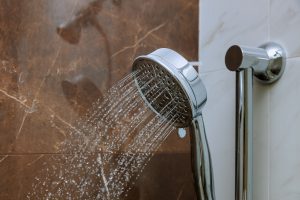
To meet the standard, internal cold water taps and showerheads must have a maximum flow rate of nine litres per minute, and toilets must be dual-flush, not exceeding 6.5 litres on full flush and 3.5 litres on half flush. Outdoor taps, bathtub taps, and taps connected to dishwashers or washing machines don’t need to be water efficient.
If a property doesn’t meet these standards, the owner can’t pass on water usage charges. Fitting compliant fixtures is one of the highest-ROI plumbing upgrades in a rental: it pays for itself the first time it lets you legally bill water consumption back to a tenant. A licensed plumber can issue a compliance certificate confirming the property meets the standard.
Hot Water Systems in a Rental: A Common Sticking Point
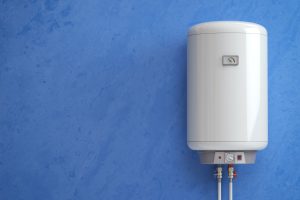
Hot water failures are one of the most common plumbing issues in any rental, and one of the most clearly defined: a complete failure or breakdown is an emergency repair, so the owner pays and the work has to happen urgently.
If a system is just inefficient, slow to heat, or showing signs it’s near the end of its life, that’s a routine repair. Either way, the tenant doesn’t foot the bill unless they caused the damage. For Gold Coast owners, prioritising fast hot water repairs and replacements is both a tenancy compliance issue and a tenant retention one. Going without hot water for more than a day or two is a fast track to a frustrated tenancy.
Property Managers: How to Reduce Friction on Plumbing Issues
Property managers sit in the middle of every plumbing call. The difference between a smooth tenancy and a messy one usually comes down to two things: how fast the call is answered, and how clearly the costs are explained to all parties.
- Nominate a 24/7 plumber on every tenancy agreement. Listing a real plumbing partner (rather than just the agency’s after-hours line) cuts response times dramatically.
- Pre-approve a spend limit for emergency work. Owners can authorise managers to instruct emergency repairs up to a set figure without needing a call at 11pm.
- Keep records of water efficiency. Compliance certificates, fixture photos, and WELS-rated product receipts all support water charging if it’s ever disputed.
- Use one plumber for the rent roll. Consistent reporting, predictable pricing, and a single point of accountability make ongoing maintenance easier.
Capital Plumbing works with property managers across the Gold Coast and surrounding suburbs. Our plumbing services for property managers cover routine maintenance, emergency call-outs, water efficiency certificates, and reporting that fits the way agencies actually work.
Frequently Asked Questions
Can a landlord refuse to fix a plumbing problem in QLD?
No. Under the Residential Tenancies and Rooming Accommodation Act 2008, owners are legally required to maintain the property in good repair. If a routine repair isn’t being addressed, the tenant can issue a Notice to remedy breach (Form 11). Emergency repairs have stricter rules and can be arranged by the tenant up to four weeks’ rent if the owner can’t be reached.
Who pays for a blocked drain in a rental in Queensland?
It depends on the cause. If the blockage is from tree roots, broken pipework, or general wear and tear, the owner pays as a routine or emergency repair. If a tenant flushed wipes, sanitary products, or food scraps that caused the blockage, the tenant pays. A camera inspection usually identifies the cause clearly.
Do tenants pay for a leaking tap?
Generally no. A leaking tap from worn washers or fittings is a routine repair the owner pays for. Tenants should report it in writing as soon as they notice it, both because the owner pays for the fix and because letting it run can push up the tenant’s water bill if they’re being charged for consumption.
Who pays the plumber call-out fee in a rental?
If the issue is a legitimate repair (emergency or routine), the owner pays the call-out fee and the cost of works. If the issue was caused by tenant misuse, or the tenant called a plumber unnecessarily, the cost can be passed back to the tenant. Choosing a plumber with no call-out fee removes one of the biggest sources of friction in this conversation.
Do I need a licensed plumber for repairs in a Queensland rental?
Yes. The Queensland Building and Construction Commission requires regulated plumbing work to be carried out by a licensed plumber. The QBCC’s guidance for real estate agents is clear: using an unlicensed person can void insurance, breach the lease, and create safety risks.
What if a tenant causes a water leak but doesn’t tell anyone?
Failing to report a leak that then causes damage can shift liability towards the tenant, especially if the damage was avoidable. Tenants are required to act with reasonable care. Owners can claim for damage that resulted from a tenant’s failure to report, and unresolved disputes go to QCAT. A fast water leak repair reported the day it’s spotted is the cleanest outcome for everyone.
Final Thoughts
Plumbing in a Queensland rental almost always comes back to one principle: the owner is responsible for the property, the tenant is responsible for how they use it, and the rules around water charging exist to keep things fair. Knowing whether something counts as an emergency, a routine repair, or a tenant-caused issue is the difference between a quick phone call and a drawn-out dispute.
If you’re a tenant, owner, or property manager dealing with a plumbing issue in a Gold Coast rental and you want a straight answer (and a fast fix), the team at Capital Plumbing handles all of it. Get in touch and we’ll sort it out the same day where we can.