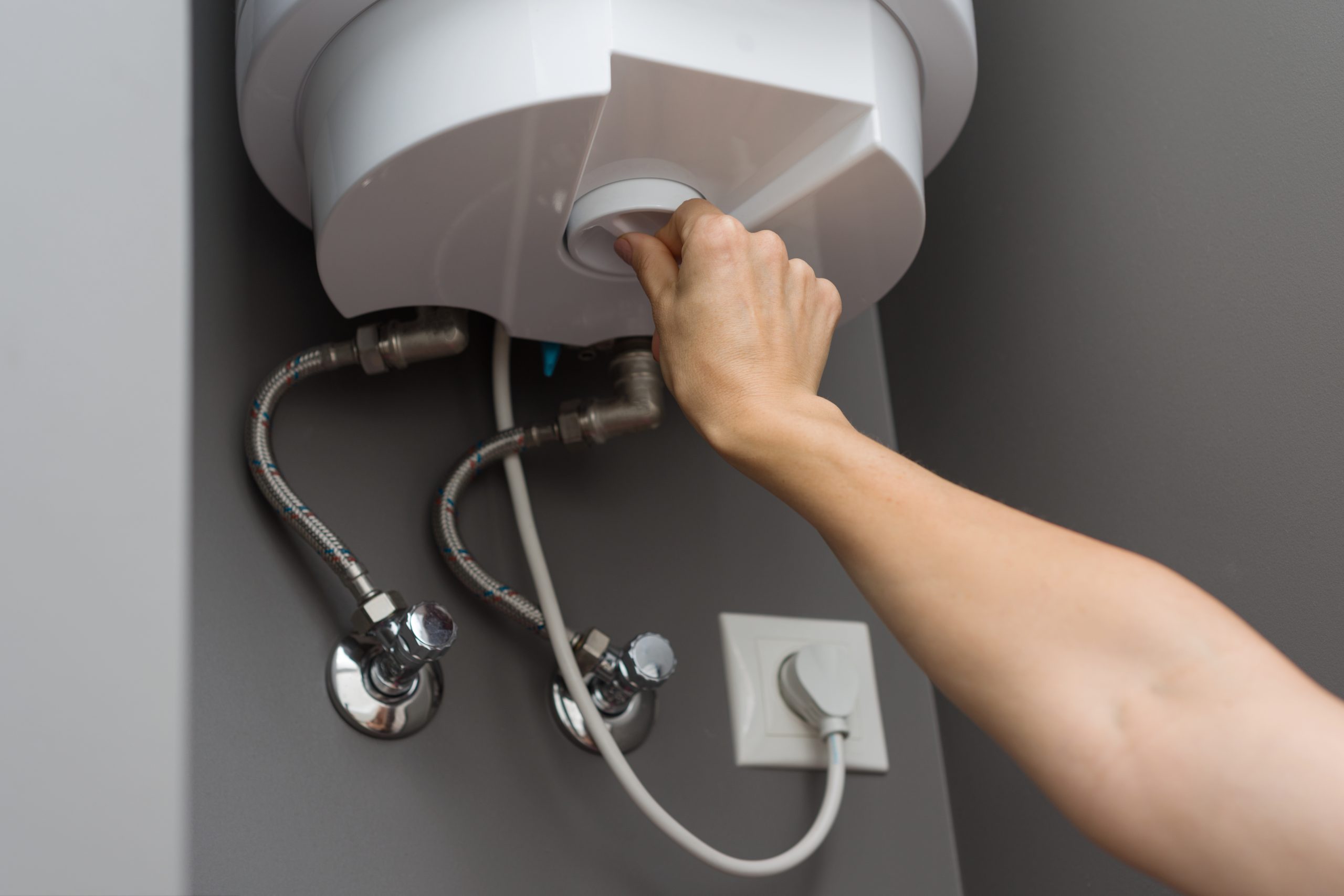
A cold shower on a winter morning has a way of turning a minor plumbing fault into an urgent problem. Before you call anyone out, it helps to know what a hot water system repair cost in Australia actually looks like, so you can recognise a fair quote when you see one. The honest answer is that most common repairs sit somewhere between $150 and $500, though the figure moves up or down depending on the fault, the type of system, and how quickly you need it fixed.
This guide breaks down typical 2026 prices for the most common repairs, explains what you are really paying for, and shows you the variables that shift the final number. We will also cover the point where repairing stops making sense and replacement becomes the smarter spend.
How much does hot water system repair cost in Australia?
For a straightforward fault on a unit that is in reasonable condition, most Australian households pay between $150 and $500 for a hot water system repair. Simple jobs like a relief valve swap land at the lower end, while bigger component failures or gas faults push toward the top and occasionally beyond it.
Here is a rough guide to common repairs and what they tend to cost, including parts and labour. These are typical ranges, not fixed quotes, since every system and site is different.
| Common repair | Typical cost (parts + labour) |
| Pressure and temperature relief (PTR) valve replacement | $150 – $300 |
| Tempering valve replacement | $180 – $380 |
| Thermostat replacement | $150 – $350 |
| Heating element replacement (electric) | $200 – $450 |
| Anode rod replacement | $150 – $350 |
| Tank flush to clear sediment | $150 – $300 |
| Minor leak or fitting repair | $150 – $400 |
| Gas component (thermocouple, igniter, gas valve) | $200 – $500+ |
If you are quoted well above these ranges, it is reasonable to ask the plumber to explain the difference. Often there is a good reason, such as a hard-to-source part or difficult access, but you deserve to understand it before you approve the work. This is exactly why our hot water repairs team gives you a fixed price over the phone wherever possible, and charges no call-out fee, so you are never agreeing to an open-ended bill.
What you are actually paying for
A repair invoice is rarely just the price of a part. Most quotes are built from a few separate elements, and knowing them helps you compare like for like.
- Call-out or service fee: many plumbers charge a flat fee just to attend, often $80 to $150. Capital Plumbing charges no call-out fee, so this part of a typical quote disappears.
- Diagnosis: the time taken to test the system and confirm the actual fault, rather than guessing at the cause.
- Parts: the component itself, which varies widely by brand and availability.
- Labour: the hands-on time to carry out the repair, plus any safety testing once it is done.
The cheapest quote is not always the best value. A licensed plumber who diagnoses the real fault and uses quality parts will usually save you money over someone who applies a quick fix that fails again a month later.
Common hot water repairs and what they cost
Different faults carry different price tags. Here are the repairs we see most often across the Gold Coast, and what tends to drive the cost of each.
Thermostat faults
A failed thermostat is one of the most common reasons water runs lukewarm, too hot, or not at all. The part itself is inexpensive, so the cost mostly reflects diagnosis and labour, generally $150 to $350. On electric systems, a faulty thermostat will sometimes keep tripping the safety cut-out, which is a clear sign to stop resetting it and call a professional.
Heating element failure
Electric storage tanks rely on one or two heating elements. When an element burns out you often still get some hot water, but it runs cold far quicker than usual. Replacement typically costs $200 to $450. In Australia, element and thermostat work must be done by a licensed plumber or electrician, both for safety and to keep your warranty intact.
Relief and tempering valves
If water is constantly dripping from the overflow pipe, the pressure and temperature relief valve is usually the culprit, and a replacement runs around $150 to $300. The tempering valve, which blends hot and cold water to deliver a safe outlet temperature, costs roughly $180 to $380. Both are mandatory safety components under Australian Standard AS 3500, so a failure should never be left.
Leaks
A small leak at a fitting or connection is often a quick, affordable fix at $150 to $400. A leak from the tank itself is a different story. Once the inner cylinder corrodes through, the tank cannot be repaired and the system needs replacing. A licensed plumber can quickly tell you which situation you are dealing with.
Gas faults
On gas systems, a pilot light that will not stay lit usually points to a faulty thermocouple, igniter, or gas valve. These repairs commonly fall between $200 and $500 or more, depending on the part. Any work on gas appliances must be carried out by a licensed gas fitter, and if you ever smell gas, treat it as an emergency.
What makes the price go up or down
Two households with the same brand of hot water system can receive very different quotes. The main variables are worth understanding before you book.
- System type: electric storage systems are the simplest and cheapest to work on, and are used by around half of Australian households. Gas, solar and heat pump systems have more specialised parts, which can lift the price.
- Age of the unit: on a system under 8 years old, a small repair is usually well worth it. Parts for older or discontinued models can be harder to source, which adds cost.
- Brand and part availability: common brands like Rheem, Rinnai and Dux are widely stocked, so parts are cheaper and faster to get than for less common units.
- Access: a unit tucked into a tight roof cavity or up against a fence takes longer to work on than one sitting in an open garage.
- Timing: after-hours and emergency callouts can attract higher rates with many providers. If your hot water fails overnight, our 24/7 emergency plumbers can attend, and you will still get upfront pricing before any work begins.
- Location: labour rates and travel vary across the country, so a city quote will not always match a regional one.
Repair or replace? When each makes sense
Spending $400 to nurse along a system that is on its last legs is rarely money well spent. As a general rule, repair makes sense when the unit is under 8 to 10 years old and the fault is a single component like a thermostat, element or valve.
Replacement becomes the better call when the tank itself is leaking, the system is past its expected lifespan, or it keeps failing repeatedly. According to the Australian Government, water heating is the second largest segment of household energy use, ranging from 15% to 30%, so an old and inefficient system is quietly costing you on every power bill as well.
For context, typical lifespans are 8 to 12 years for electric storage, 10 to 15 years for gas storage, 15 to 20 years for continuous flow gas, 10 to 15 years for heat pumps, and 15 to 25 years for solar. A like-for-like replacement generally costs more than a repair, but federal rebates on efficient systems such as heat pumps can take a meaningful chunk off the price. Our team can talk you through both paths during a hot water installation assessment so you are not guessing.
How to keep hot water repair costs down
A little maintenance goes a long way toward avoiding bigger bills. A few simple habits help your system last and flag small problems before they become expensive ones.
- Have the relief valve checked periodically. The Australian Government’s YourHome guide notes that if a bucket placed under the valve fills in a day, it likely needs replacing.
- Book a service before the colder months, when systems work hardest and faults tend to show up.
- Act quickly on early warning signs like fluctuating temperatures, rumbling noises, or rusty water, rather than waiting for a full breakdown.
- Always use a licensed professional. You can verify a plumber’s licence through the Queensland Building and Construction Commission before any work starts.
Frequently asked questions
How much does it cost to fix a hot water system in Australia?
Most common repairs cost between $150 and $500, covering parts and labour. Simple jobs such as a relief valve replacement sit at the lower end, while gas component failures or major repairs can run higher. The exact figure depends on the fault, the system type and how soon you need it done.
Is it worth repairing an old hot water system?
If the unit is under 8 to 10 years old and the fault is a single component, a repair is usually worthwhile. Once a system is past its expected lifespan, keeps breaking down, or the tank itself is leaking, replacement is generally the better long-term value.
Why has my hot water stopped working?
The most common causes are a tripped circuit breaker, a faulty thermostat or heating element on electric systems, or a pilot light or thermocouple fault on gas systems. Sediment build-up in the tank can also reduce performance. A licensed plumber can pinpoint the cause quickly and safely.
Can I repair a hot water system myself?
No. In Australia, internal repairs such as element, thermostat and valve replacement must be carried out by a licensed plumber or electrician. Attempting these yourself can void your warranty, breach regulations, and create a serious safety risk given the high-voltage electricity or gas involved.
How long does a hot water repair take?
Many common repairs are completed in a single visit, often within an hour or two once the fault is diagnosed and the right part is on hand. More complex faults, or jobs that need a part to be ordered, can take longer.
Get a fixed price before any work begins
Knowing the typical hot water system repair cost puts you in a stronger position, but nothing beats a clear quote for your exact situation. At Capital Plumbing, our licensed Gold Coast plumbers diagnose the real fault, explain your options, and give you upfront pricing with no call-out fee, so there are no surprises on the invoice. If your hot water has failed and you want it sorted properly, get in touch with our team or call 1300 785 936 today.