Picking the best hot water system for a family of 4 comes down to two numbers most people never see until it’s too late: the size you actually need, and what the system costs to run every year. Get the size wrong and you’re the household fighting over who showers last. Get the running costs wrong and you’re quietly paying hundreds extra on every power or gas bill for the next decade.
Hot water is the second largest slice of energy use in the average Australian home, sitting somewhere between 15% and 30% of the bill, according to the federal government’s energy.gov.au hot water guide. For a busy four-person household, that’s a meaningful chunk of money. This guide walks through how to size a system for four people, what each fuel type really costs to run, and how to land on the right choice for your home and budget.
How Much Hot Water Does a Family of 4 Actually Use?
The industry rule of thumb is roughly 50 litres of hot water per person per day. For a family of four, that lands at around 200 litres of daily hot water use, though heavy users with teenagers and multiple bathrooms can push past 250 to 300 litres.
One thing trips people up here. That 200-litre figure is “mixed” hot water at the tap, not water sitting at full tank temperature. Storage systems hold water at 60 degrees or hotter, then blend it with cold before it reaches your shower. So a 250-litre tank delivers more usable hot water than the raw number suggests.
What matters far more than the daily average is your peak demand window. If all four of you shower inside the same 90-minute morning rush, the system has to cover that burst in one hit. Add a dishwasher and a load of washing on top, and a system that coped fine when the kids were small can start running cold a few years later. The smart move is to size for how your household uses water now, not how it used to.
Quick sizing reference for four people
- Storage tank (electric, gas or heat pump): 250 to 315 litres for most four-person homes. Drop to around 170 litres only for low, well-spread usage; step up if you’re on an off-peak electric tariff that needs a bigger overnight buffer.
- Continuous flow (instant gas): a 20 to 26 litre-per-minute unit. Lean towards 26L/min if you regularly run two showers, or a shower and the kitchen tap, at the same time.
- Solar or heat pump: 250 to 315 litres of tank capacity, sized the same way as standard storage.
If your home runs two or more bathrooms at peak times, prioritise either a larger tank or a higher continuous-flow rating so the system can feed several outlets at once without pressure or temperature dropping away.
The 4 Hot Water System Types Explained
Before you can compare running costs, you need to know what you’re comparing. There are four main system types in Australian homes, and each makes hot water in a different way.
Electric storage
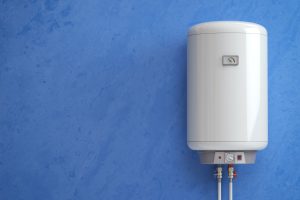
An insulated tank with an internal element that keeps water hot and ready. Around half of Australian households still use electric storage because it’s the cheapest to buy and install. The catch is running cost: on a standard peak tariff it’s the most expensive system to operate, though an off-peak (controlled load) tariff softens that considerably.
Gas storage and continuous flow
Gas storage works like an electric tank but heats with a burner, giving faster recovery between showers. Continuous flow (also called instantaneous or tankless) gas heats water only as you draw it, so you never “run out” and you’re not paying to keep a tank warm. Continuous flow is the more popular gas choice for families because it handles back-to-back showers well. Both need a compliant gas connection and, for indoor units, proper ventilation. Our licensed Gold Coast gas fitters handle the gas side of any installation.
Heat pump
A heat pump works like a fridge in reverse, pulling warmth from the surrounding air to heat the water. It uses electricity, but for every unit of power it draws it delivers three to four units of heat, which makes it dramatically cheaper to run than a standard electric tank. Heat pumps cost more upfront but qualify for government rebates that close a lot of that gap.
Solar hot water
Roof-mounted collectors heat the water directly, backed up by an electric or gas booster for cloudy days and cold nights. In a sunny climate like the Gold Coast, solar delivers the lowest running costs of any system, but it carries the highest upfront price and the longest payback period.
Hot Water System Running Costs Compared
This is where the real decision gets made. Two systems can look similar on the showroom floor and cost wildly different amounts over ten years. The figures below are typical annual running costs for a four-person Australian household, drawn from current 2026 industry and energy data. Your actual cost shifts with usage, tariff and local energy prices.
| System type | Typical upfront (installed) | Annual running cost | Lifespan |
| Electric storage | $1,000 – $2,500 | $700 – $1,500 | 8 – 12 years |
| Gas storage / continuous flow | $1,500 – $3,500 | $400 – $600 | 8 – 12 years |
| Heat pump | $3,000 – $5,000 (before rebate) | $150 – $400 | 10 – 15 years |
| Solar hot water | $3,800 – $7,500 (before rebate) | $100 – $250 | 15 – 20 years |
The pattern is clear. The cheapest system to buy is almost never the cheapest to own. A basic electric tank can cost over $1,000 a year to run, while a heat pump might run for under $400. Across a decade, that difference comfortably outweighs the higher purchase price. Running water heating on an off-peak controlled-load tariff can also cut an electric system’s annual cost by 50% or more, so it’s always worth asking your retailer what tariffs you qualify for.
So What’s the Best Hot Water System for a Family of 4?
There’s no single winner for every home. The best hot water system for a family of 4 depends on what’s already connected at your place, your upfront budget, and how long you plan to stay. Here’s how it usually shakes out.
- Best all-round value: heat pump. Low running costs, long lifespan, and generous rebates make it the standout for most families who can cover the upfront cost. It needs space and reasonable airflow around the unit.
- Best for instant convenience: continuous flow gas. If you already have gas connected, an instant unit never runs out and is cheap to run. A strong pick for households with staggered showers and tight outdoor space.
- Best lowest running cost: solar. In the Gold Coast climate, solar hot water is hard to beat on bills. The trade-off is the highest upfront cost and roof space requirements.
- Best for a tight budget today: electric storage. Lowest purchase price and the simplest swap, especially on an off-peak tariff. Just go in knowing the running cost is the highest of the four.
For a lot of Gold Coast families in 2026, a heat pump or continuous flow gas system hits the sweet spot between what you pay now and what you’ll pay every year after. The right call still depends on your specific setup, which is exactly what a licensed plumber assesses before recommending a unit.
Don’t Forget Government Rebates
Heat pump and solar hot water systems can be eligible for federal Small-scale Technology Certificates (STCs), which knock a meaningful amount off the purchase price at the point of sale. Depending on the system and your state, additional rebates may also apply on top. These incentives are a big reason heat pumps have become genuinely competitive with cheaper systems once you account for total cost.
The government’s YourHome hot water guide is a solid independent starting point for understanding which efficient systems attract incentives. Because rebate amounts and eligibility change, it’s worth confirming the current figures with your installer before you commit to a system.
Common Sizing Mistakes Families Make
A surprising number of households end up with the wrong system because of a few avoidable assumptions. Knowing these ahead of time saves you money and the frustration of cold showers.
- Sizing for today’s habits, not tomorrow’s. Young kids become teenagers who take long showers and run their own washing. If your children are growing, size for the household you’ll have in five years.
- Ignoring peak overlap. Two people showering at once draws roughly double the flow. A unit sized only on daily totals can still run short during the morning crush if it can’t deliver fast enough.
- Going too big “just in case”. An oversized storage tank wastes energy keeping water you never use hot around the clock, quietly inflating every bill.
- Forgetting the showerheads. Swapping old high-flow showerheads for water-efficient 3-star models cuts hot water demand sharply, which can let you choose a smaller, cheaper-to-run unit.
Matching the system to your real usage pattern is the single biggest factor in getting both comfort and cost right. It’s also why a quick on-site assessment by a licensed plumber beats guessing from a spec sheet.
Keeping Your New System Running Well
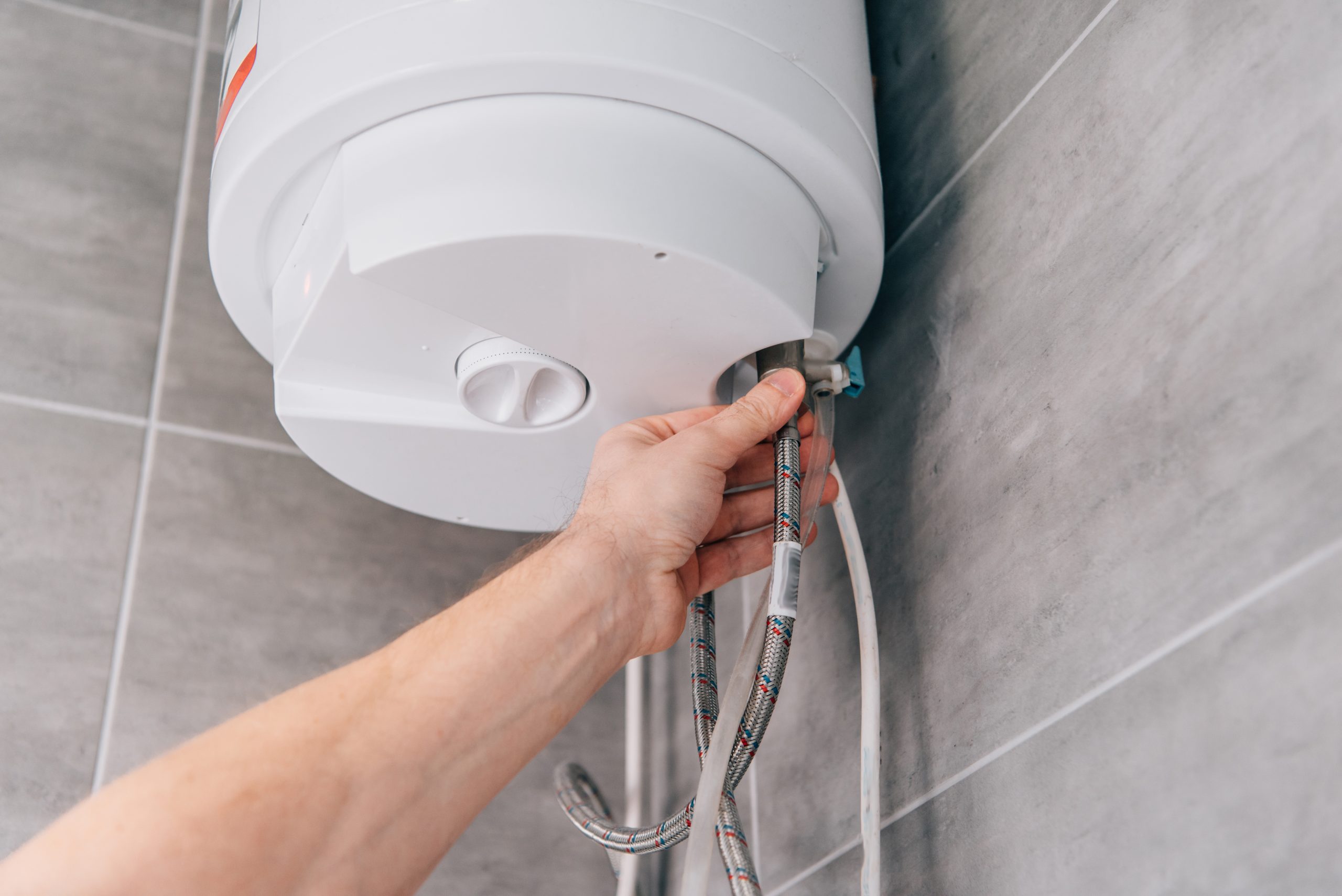
Whichever system you choose, a little maintenance protects your investment. Storage tanks rely on a sacrificial anode, a metal rod that corrodes in place of the tank itself, and checking or replacing it every few years can add years to the unit’s life. If you’re in a hard-water area, periodically flushing sediment from the tank keeps efficiency up. Continuous flow and heat pump systems have fewer moving parts and need less frequent attention, but an occasional service still helps catch small issues before they become a cold-shower emergency.
Repair or Replace? When to Make the Call
Not every hot water problem means a new system. If your unit is young (under 8 to 10 years) and the fault is a single failed part, a repair is often the economical choice. Once a system is older and components start failing in sequence, throwing money at repairs rarely pays off, and replacing it with a properly sized, efficient unit usually saves more over time.
Signs it’s time to seriously consider replacement include rising energy bills with no change in usage, water that never quite gets hot enough, rusty or discoloured hot water, leaks around the tank base, or a system simply past its expected lifespan. If you’re not sure which way to go, our team can assess the unit and give you a straight answer. We handle both hot water repairs and full hot water system installation across the Gold Coast.
Frequently Asked Questions
What size hot water system do I need for a family of 4?
Most four-person households suit a 250 to 315 litre storage tank, or a continuous flow gas unit rated at 20 to 26 litres per minute. Base it on around 50 litres of hot water per person per day, then size up if everyone showers in the same window or you run two bathrooms at once.
What is the cheapest hot water system to run for a family?
Solar hot water has the lowest running cost in a sunny climate, typically $100 to $250 a year, followed closely by heat pumps at roughly $150 to $400. Both cost more to buy than electric or gas, but the running savings add up fast over a decade.
Is gas or electric hot water better for a family of 4?
Gas is usually cheaper to run than standard electric storage and recovers heat faster, which suits busy households. Electric storage is cheaper to buy, especially on an off-peak tariff, but more expensive to run. If you can stretch the budget, a heat pump beats both on long-term running cost.
How long does a hot water system last?
Electric and gas storage tanks generally last 8 to 12 years, heat pumps run 10 to 15 years when serviced, and solar systems can reach 15 to 20 years for the collectors. Regular maintenance, such as checking the sacrificial anode every few years, helps storage tanks go the distance.
Are there rebates for replacing a hot water system?
Yes. Heat pump and solar systems can qualify for federal Small-scale Technology Certificates, applied as a discount at purchase, and some states offer additional rebates on top. Always confirm current eligibility and amounts with your installer, as these change over time.
Get the Right System Sized and Installed
The best hot water system for a family of 4 is the one matched correctly to your household’s peak demand, your existing connections, and your budget over the life of the unit, not just the day you buy it. Capital Plumbing offers upfront pricing with no call-out fee and same-day service across the Gold Coast, so you know exactly what you’re paying before any work starts.
Whether you need a failing system replaced fast or honest advice on the smartest unit for your home, get in touch with our team and we’ll help you get it right the first time.